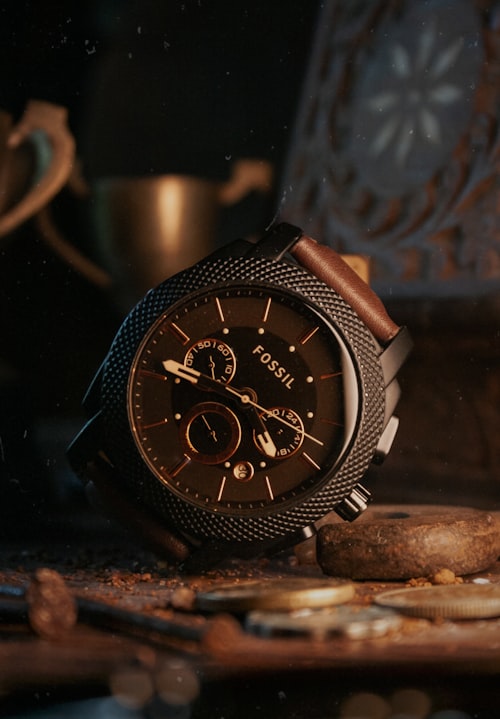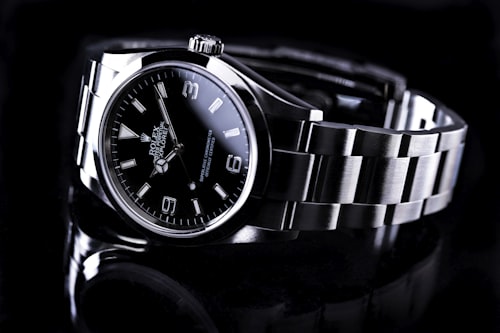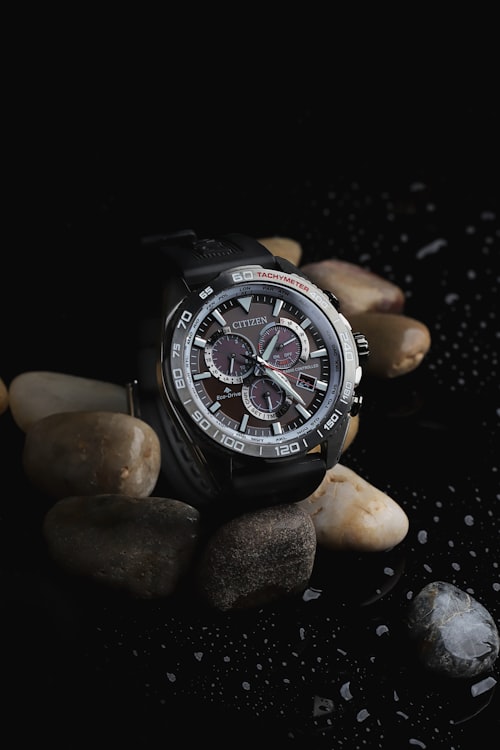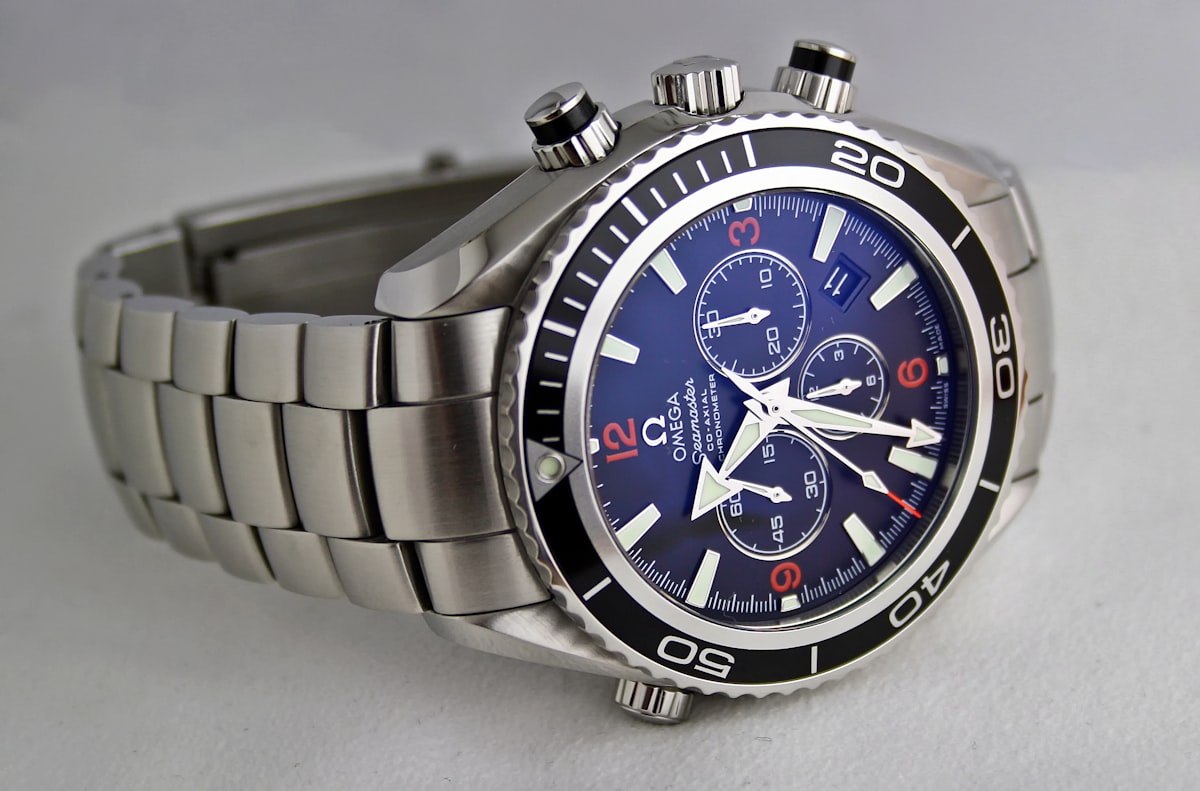
Introduction to Watchmaking
The art of watchmaking is a testament to human ingenuity and craftsmanship that has evolved over centuries. From the earliest mechanical clocks to today's sophisticated timepieces, the journey of horology is as fascinating as it is complex.
The Origins
The history of watchmaking dates back to the 16th century when the first portable timepieces were created. These early watches were works of art as much as they were functional instruments, often adorned with precious metals and gemstones.
The Swiss Revolution
Switzerland became the epicenter of watchmaking in the 18th century, establishing traditions and techniques that continue to define luxury timepieces today. The Swiss watchmaking industry developed around the concept of excellence, precision, and artistry.
Modern Watchmaking
Today's luxury watches represent the pinnacle of mechanical engineering and artistic expression. Master watchmakers spend years perfecting their craft, learning to work with components that are often smaller than a grain of rice.
Key Components
- The Movement - The heart of the watch, containing hundreds of tiny parts working in perfect harmony
- The Case - Protecting the delicate mechanism while showcasing aesthetic excellence
- The Dial - The face of the watch, where artistry meets functionality
- The Bracelet - Comfort and style in equal measure
- Each part is individually inspected and finished
- Components are assembled with specialized tools
- The movement is adjusted to ensure accuracy
- Final testing ensures water resistance and durability
The Craftsmanship
Creating a luxury timepiece can take months or even years. Each component is crafted with microscopic precision, assembled by hand, and tested rigorously to ensure perfect performance.
Master watchmakers undergo decades of training, learning techniques passed down through generations. Their work is a blend of science, art, and tradition.
The Assembly Process
The assembly of a luxury watch movement is a meticulous process:
Investment Value
Luxury watches are not just timepieces; they're investments. Many prestigious brands maintain or increase their value over time, making them both functional instruments and store of wealth.
Conclusion
The art of watchmaking continues to evolve while honoring centuries-old traditions. As we move forward, the dedication to craftsmanship, precision, and beauty remains unwavering. A luxury watch is more than a tool to tell time—it's a piece of wearable art, a testament to human achievement, and a connection to horological history.
Whether you're a seasoned collector or just beginning your journey into the world of luxury timepieces, understanding the craft behind these remarkable instruments deepens the appreciation for every tick of the watch on your wrist.